
Understanding and Managing Botulinum Toxin Resistance in Aesthetic Medicine: A Comprehensive Guide for Safe and Effective Practice with CBAM
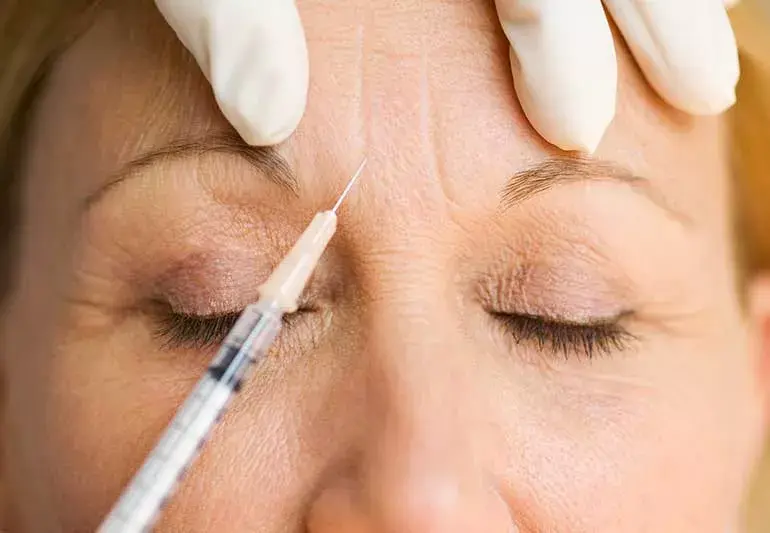
The Growing Use of Botulinum Toxin in Aesthetic Medicine
In today’s aesthetic landscape, botulinum toxin type A (BTA) has become a cornerstone treatment for facial rejuvenation, wrinkle reduction, and facial contouring. With its widespread acceptance among patients and practitioners alike, botulinum toxin continues to dominate the non-surgical cosmetic industry. However, with increasing usage comes the emergence of a significant clinical concern: resistance to botulinum toxin.
What Is Botulinum Toxin Resistance and Why Does It Matter?
Botulinum toxin resistance refers to a diminished or complete lack of response to treatments that previously worked. This phenomenon has been reported in aesthetic practices globally and is gaining attention due to its implications for patient satisfaction, clinical outcomes, and treatment planning. At the Canadian Board of Aesthetic Medicine (CBAM), understanding such complications is a critical component of practitioner training and patient safety protocols.
aesthetics courses in CBAM


Primary vs. Secondary Resistance: What’s the Difference?
Resistance to BTA can be classified into two categories: primary resistance, which is genetically mediated and present from the patient’s first exposure, and secondary resistance, which develops over time due to repeated exposure or immune response. While primary resistance is rare, secondary resistance is increasingly observed and often misunderstood or misdiagnosed.
The Immunological Mechanism Behind Resistance
Secondary resistance most often stems from the development of neutralizing antibodies (NABs). These antibodies recognize botulinum toxin as a foreign protein and block its therapeutic effect. The presence of adjuvants and complexing proteins in some BTA formulations may heighten this immunogenic response. Factors like frequent booster sessions, high cumulative doses, and treatment intervals shorter than three months can further increase the risk of resistance.
Clinical Signs of Resistance: When to Suspect It
In many cases, aesthetic providers may not immediately identify resistance and instead compensate by increasing the dose of BTA. Unfortunately, this approach can exacerbate the issue, especially if immune sensitization has already begun. Patients may report decreased longevity of results, partial muscle relaxation, or no noticeable effect at all, even after receiving higher doses or switching brands.
Diagnosis Challenges and the Role of Antibody Testing
Diagnosing true botulinum toxin resistance remains challenging. Laboratory testing for NABs is limited in availability and cannot differentiate between neutralizing and non-neutralizing antibodies. Moreover, not all clinical non-responders have detectable antibody levels, further complicating treatment planning. CBAM emphasizes the importance of clinical assessment, patient history, and a thorough understanding of treatment protocols when evaluating suspected resistance.

Understanding and Managing Botulinum Toxin Resistance in Aesthetic Medicine: A Comprehensive Guide for Safe and Effective Practice with CBAM
Risk Factors That Increase the Likelihood of Resistance
Several contributing factors have been identified in the development of botulinum toxin resistance. These include not only formulation-related factors, such as impurity levels and the presence of bacterial proteins, but also patient-specific factors, such as immune system activation, injection techniques, and anatomical variations. Additionally, interactions with certain antibiotics (e.g., aminoglycosides) and conditions like muscle fibrosis can interfere with BTA efficacy.
The Role of Injection Technique and Product Choice
Improper injection technique or inadequate reconstitution may also lead to poor clinical results that are mistakenly attributed to resistance. CBAM-trained practitioners are taught to approach every injection with precision, ensuring correct depth, dilution, and anatomical targeting. Choosing the right formulation (particularly highly purified neurotoxins like incobotulinumtoxinA) can significantly reduce the risk of immunogenicity and improve long-term outcomes.
Best Practices for Prevention: What CBAM Recommends
Prevention remains the most effective strategy against resistance. Practitioners should avoid overly frequent treatments and refrain from administering “touch-ups” within three weeks of the initial injection. Using the lowest effective dose, selecting non-immunogenic formulations, and maintaining adequate treatment intervals (typically 12 weeks or longer) are all strategies emphasized in CBAM’s advanced certification programs.
Managing Resistance: Strategies That Work
For patients with partial resistance, switching to a highly purified botulinum toxin formulation may restore efficacy. In cases of complete resistance, a “treatment holiday” lasting 2–2.5 years may be necessary to allow the immune system to reset. Some experts have also explored short courses of corticosteroids or immunosuppressants to minimize immune response prior to reinjection. While experimental, these options are considered in complex cases, often under specialist supervision.
Advanced Treatment Alternatives and Future Innovations
In certain cases, particularly in therapeutic indications such as cervical dystonia, alternative botulinum toxin serotypes like type B (rimabotulinumtoxinB) have shown promise. However, their aesthetic application remains limited due to shorter duration of action and higher side-effect profiles. Newer options such as daxibotulinumtoxinA-lanm, which offer longer-lasting cosmetic results, may help reduce the frequency of treatments and minimize resistance risks in the future.
Why CBAM Training Matters in Today’s Clinical Environment
Navigating the challenges of botulinum toxin resistance requires more than just product knowledge. It demands in-depth understanding of immunology, patient communication, product selection, and treatment planning—skills that are central to the CBAM curriculum. Whether you are just entering the field or seeking advanced certification, CBAM ensures that its members are prepared to manage even the most complex clinical scenarios with confidence.
aesthetics courses in CBAM
The Takeaway: A Safer, Smarter Approach to Aesthetic Injections
As botulinum toxin treatments continue to evolve, so must the education and practices of those who administer them. By staying informed about complications such as resistance and adopting a science-backed, patient-centered approach, aesthetic providers can deliver safer, more reliable, and longer-lasting results. With the right training, tools, and mindset, complications like resistance can be minimized, preserving both patient trust and clinical excellence.
Empower Your Aesthetic Career with CBAM
CBAM offers internationally recognized programs that include in-depth training on neuromodulators, injection safety, complication management, and emerging resistance patterns. Stay ahead of the curve: join a global community of aesthetic professionals who practice with knowledge, ethics, and precision.