Blog
Emerging Trends in Non-Surgical Skin Tightening: A Training Guide for Future Aesthetic Professionals

-
Question: Why Non-Surgical Skin Tightening Training Is Booming in Aesthetic Medicine
Answer: The non-surgical skin tightening market in Canada has been growing steadily, valued at USD 2.5 billion in 2024 with forecasts estimating a 7.5% annual increase through 2033. Clients are increasingly seeking treatments that deliver firmer, more youthful skin with minimal downtime, a trend that is fueling demand for energy-based technologies. No one wants to take time off from work or social life to recover from a surgical facelift. Instead, they look for effective alternatives like ultrasound, radiofrequency, and advanced microneedling devices that deliver noticeable results without incisions.
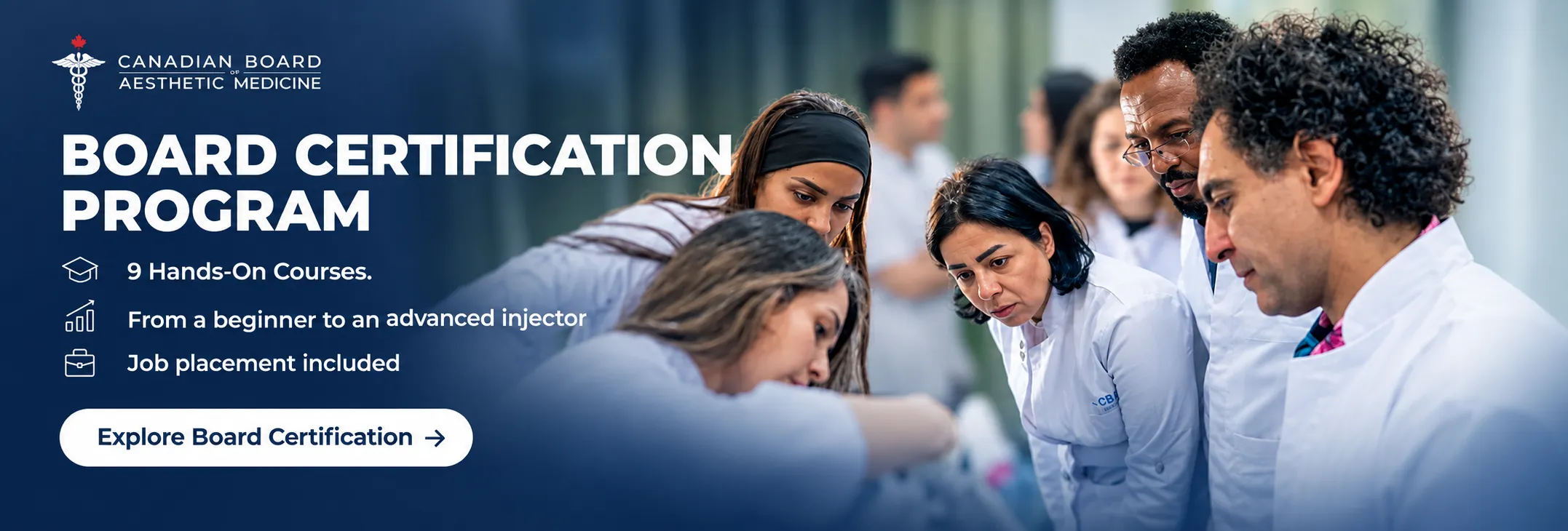
aesthetics courses in CBAM


-
Question: What Are the Most In-Demand Technologies in Skin Tightening Today?
Answer: There are several technologies is skin tightening which are required most by practitioners, and are taught in skin tightening training courses. Four of the most demanded ones are as follows:
-
Ultrasound Skin Tightening
Ultrasound devices such as HIFU and Ultherapy have advanced to reach deeper tissue layers without harming the surface skin. These treatments coagulate targeted collagen, delivering long-lasting tightening training and lifting, particularly effective for jawlines and necks.
-
Radiofrequency Microneedling
Combinations of microneedles and RF energy now offer sculpting-level precision in non-surgical skin tightening. Devices like Morpheus8 and Profound target deep dermal layers, triggering controlled collagen healing and textural improvements.
-
Plasma Fibroblast & Laser-Based Tools
Instead of cutting away at tissue, plasma fibroblast devices deliver ionized energy that contracts skin. Laser-based therapies like fractional CO₂ and IPL continue to tighten by inducing microinjury and encouraging skin remodeling. These modern tools balance effectiveness and safety, making them increasingly popular in aesthetic practices.
-
Biostimulators & Injectables
Injectables that stimulate collagen from within – such as Sculptra, Radiesse, and poly-L-lactic acid (PLLA) – are emerging as complementary treatments, enhancing tissue quality alongside external energy methods.
-
Question: Who Can Legally Perform Skin Tightening Procedures in Canada?
Answer: In Canada, the scope of practice for non-invasive skin tightening varies. Physicians (MDs/DOs) and nurse practitioners (NPs) generally have full autonomy. Registered nurses (RNs) and licensed practical nurses (LPNs), however, often require delegation or supervision to operate lasers, ultrasound, or RF devices. Regulations differ by province, so choose training that respects both legal and practical requirements.
-
Question: Training Pathways: How to Get Certified in Skin Tightening
Answer: Gaining competence in these cutting-edge tools means engaging in both theory and hands‑on training. Device-specific workshops, such as ultrasound and RF microneedling courses, are essential to learn device mechanics, setting selection, and safety protocols. Clinical safety knowledge, covering everything from infection control to contraindications, is equally vital. Proper certification is not just about competence: it builds credibility, trust, and patient safety.
-
Question: Why Choose CBAM for Your Aesthetic Medicine Training?
Answer: The Canadian Board of Aesthetic Medicine (CBAM) is a leading provider of aesthetic medicine education in Canada. CBAM’s skin tightening training portfolio includes:
- Foundations in injectables and aesthetic theory
- Specialized workshops in ultrasound-guided procedures
- Hands‑on microneedling and laser safety labs
- Mentorship programs to support real-world clinic training
CBAM’s structured 3‑level certification journey ensures that graduates are well-rounded, confident, and legally aware when they step into practice of fields like non‑surgical facelift course. Whether you are aiming to work immediately in a clinic or eventually open your own, CBAM prepares you with the skillsets and regulatory knowledge to excel.
-
Question: Navigating Your Career Path in Non-Surgical Aesthetics
Answer: Imagine this: you begin by mastering injectables and skin assessment, then move into ultrasound skin tightening and microneedling workshops. You collaborate with a supervising physician or NP during early clinical sessions to ensure your practice aligns with legal scope. With CBAM training, you are not only learning the how; but also, you are learning the why, how to stay compliant, and how to build long-term patient trust.
aesthetics courses in CBAM
Building a Niche in Body and Face Tightening
As you specialize, you will find niche opportunities, from sculpting jawlines and upper necks with ultrasound to offering minimally invasive skin tightening for knees, arms, and décolletage using RF microneedling and plasma fibroblast devices. Many clinics now combine modalities (injectables plus energy treatments) to provide client-customized, holistic results.
-
Question: Ready to Specialize in Skin Tightening?
Answer: Here’s What to Do Next!
This moment in aesthetic medicine is exciting. Technologies are evolving rapidly, client demand is high, and opportunities abound for professionals trained in non-surgical skin tightening. But standing out means training smart, staying informed, and choosing the right educational partner.
By weaving together market data, tech explanations, legal guidance, and CBAM’s educational offerings, this guide serves as an engaging, authentic resource for new graduates eager to enter the world of non-surgical facelift course .
